

The caviar guide
Types of caviar, explained.
Tins are named by sturgeon species. Here's what each one tastes like — and which to try first.
Some names overlap — a Kaluga Hybrid is a cross of two of the others — so we keep a plain species ↔ tin map to make it honest.
New to caviar? Start with the best caviar for beginners →
Know your roe
The species
-
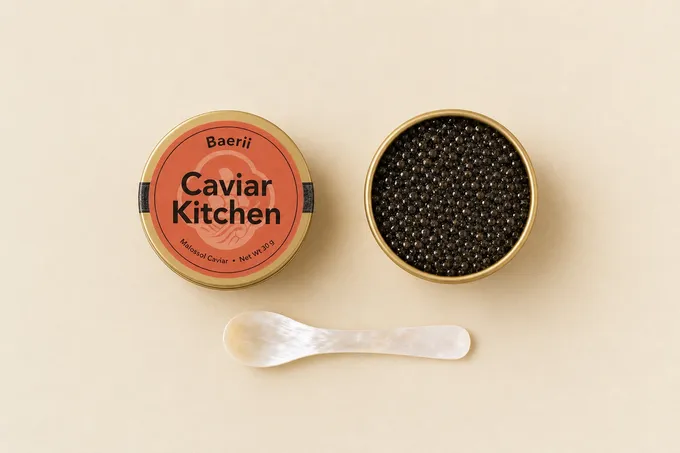
Baerii
Acipenser baerii
- nutty
- mellow
- creamy
-
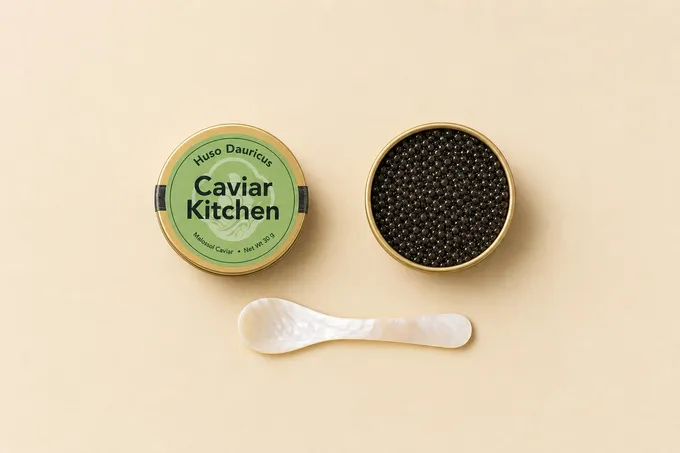
Huso Dauricus
Huso dauricus
- buttery
- smooth
- long finish
-
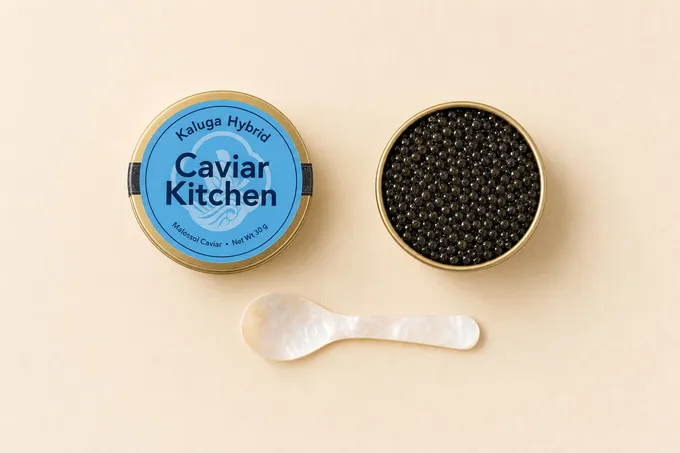
Kaluga Hybrid
Huso dauricus × Acipenser schrenckii
- buttery
- clean
- subtle brine
-
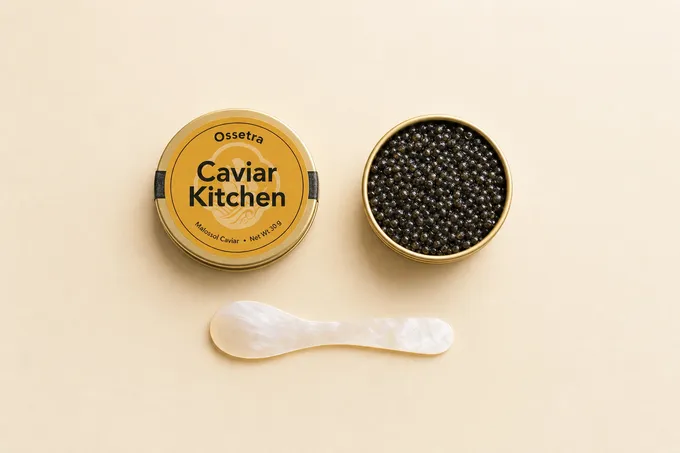
Ossetra
Acipenser gueldenstaedtii
- nutty
- complex
- briny
-
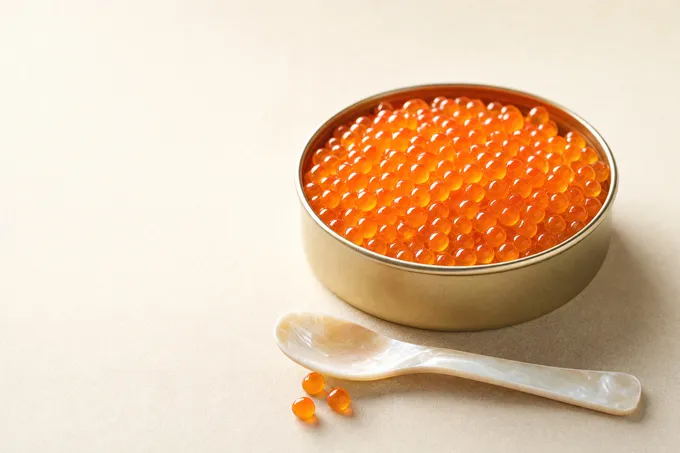
Salmon Roe (Ikura)
Oncorhynchus species
- bright
- poppy
- clean brine
-
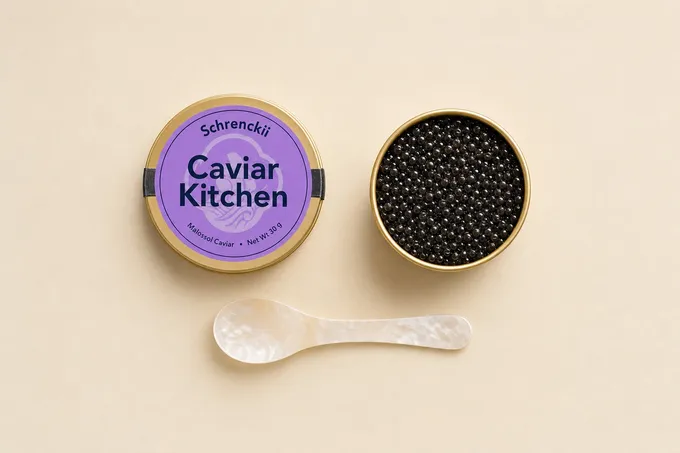
Schrenckii
Acipenser schrenckii
- clean
- buttery
- balanced
Pick by palate
Caviar by flavour & grain
A side-by-side of how each species tastes and looks — so you can pick by palate, not price.
| Species | Flavour | Pearl size | Roe colour | Best for |
|---|---|---|---|---|
| Baerii |
| Small to medium | Dark brown to black | First-timers; eggs & potatoes |
| Huso Dauricus |
| Large | Grey to golden | Big-pearl, buttery occasions |
| Kaluga Hybrid |
| Large | Dark grey to amber | Everyday hero tin |
| Ossetra |
| Medium | Brown to gold | When caviar is the star |
| Salmon Roe (Ikura) |
| Large | Bright orange | A gateway roe; sushi & toast |
| Schrenckii |
| Small to medium | Amber to dark brown | Bold & clean; eggs & toast |
Frequently asked
What types of caviar are there?
The main farmed sturgeon caviars are Kaluga Hybrid, Kaluga, Siberian (Baerii), and Ossetra. Salmon roe (ikura) is a popular non-sturgeon roe that is often grouped with them.
Is salmon roe caviar?
Not strictly. True caviar is sturgeon roe; salmon roe (ikura) comes from salmon. It is delicious and a great gateway, but technically a different thing.